
Cape Coast, Ghana – March 6, 2026
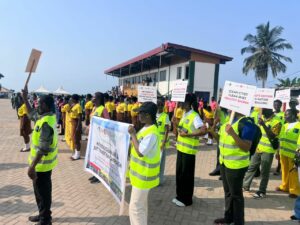
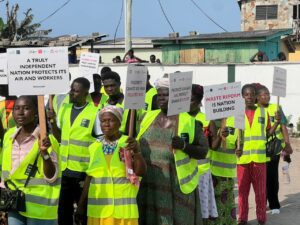
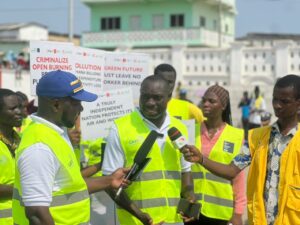
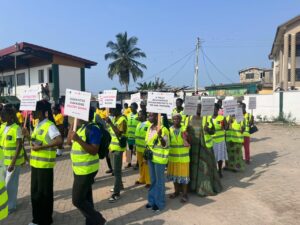
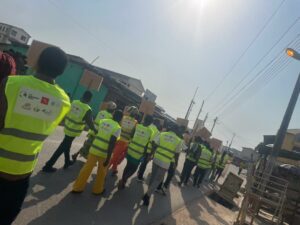
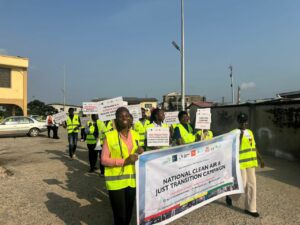
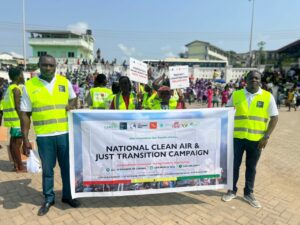
The Clean Air Campaign Ghana was a key highlight of Ghana’s Independence Day celebrations, bringing together stakeholders committed to improving air quality and public health. Climate Change Advisors Ghana (CCAG), in collaboration with GAYO Ghana and other partners, actively participated in the nationwide initiative.
This clean air initiative in Ghana aims to raise awareness about air pollution, climate change, and the need for sustainable waste management systems. As urbanisation increases, campaigns like this play a critical role in protecting both the environment and human health.
National Significance of the Campaign
The campaign aligns with Ghana’s broader environmental and climate goals, particularly efforts to reduce emissions and promote sustainable development. Air pollution remains a growing concern in many Ghanaian cities, affecting vulnerable populations and contributing to respiratory diseases.
According to the World Health Organization, poor air quality is one of the leading environmental health risks globally. Initiatives like this national environmental campaign help bridge the gap between policy and public awareness.
Activities at Jubilee Park in Cape Coast
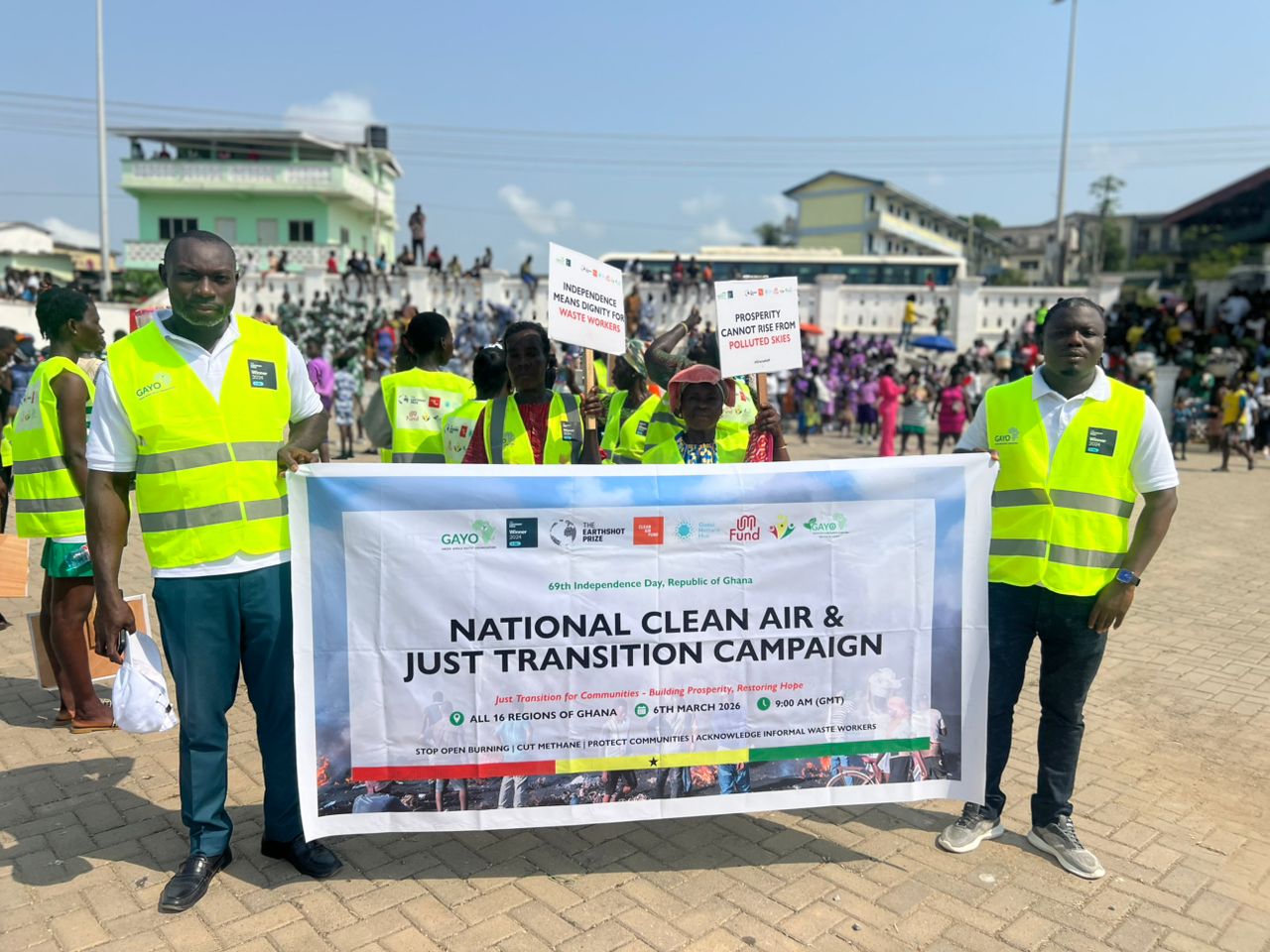
The main event took place at Jubilee Park, where CCAG representatives joined the official Independence Day march past.
The delegation was led by Dr. Samuel Ayeh Ofori and Shafi Mohammed, who represented the organisation’s commitment to environmental advocacy.
Their participation highlighted the importance of integrating climate awareness into national celebrations, ensuring that sustainability remains a priority across all sectors.
Addressing Air Pollution in Ghana
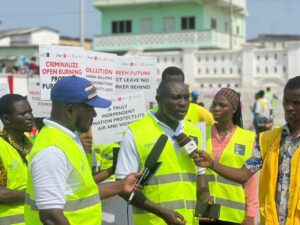
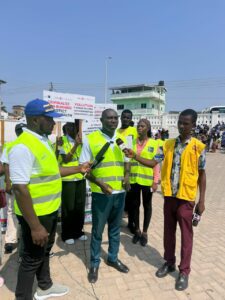
During media engagements, Dr. Ofori emphasised the dangers of air pollution, particularly the widespread practice of open burning of waste. This issue significantly contributes to poor air quality and poses serious health risks.
He called for:
- Stronger environmental regulations
- Increased public education
- Investment in sustainable waste management systems
For further global perspectives on air quality, visit the United Nations Environment Programme.
The Role of Waste Management in Clean Air
Effective waste management is central to improving air quality in Ghana. Open burning, often used as a quick disposal method, releases harmful pollutants into the atmosphere.
By promoting recycling, proper waste collection, and sustainable disposal methods, Ghana can significantly reduce air pollution levels. This aligns with CCAG’s ongoing work—learn more through your internal page on waste management initiatives.
Promoting a Just Transition
A major focus of the campaign was ensuring a just transition. This means that climate solutions must be inclusive and considerate of vulnerable groups, especially informal waste workers.
Supporting these communities through training, resources, and policy inclusion ensures that environmental progress does not come at the expense of livelihoods.
Community Engagement at Kotokuraba
On March 7, activities continued with a community cleanup exercise at Kotokuraba Market.
This busy commercial hub was the focus of a large-scale sanitation effort involving volunteers, stakeholders, and local residents.
The cleanup aimed to:
- Reduce waste pollution
- Improve sanitation
- Encourage responsible environmental behaviour
Community engagement remains a powerful tool in driving long-term environmental change.
The Importance of Public Awareness
Raising awareness is a cornerstone of any successful air quality campaign in Ghana. Many citizens are unaware of the long-term effects of air pollution and the role they play in either contributing to or solving the problem.
Educational campaigns, media outreach, and grassroots initiatives help build a culture of environmental responsibility. You can explore more through your internal climate education page.
CCAG’s Commitment to Climate Action
CCAG continues to play a leading role in climate advocacy in Ghana. Through partnerships, research, and policy engagement, the organisation is working to create sustainable solutions for environmental challenges.
Their work aligns with global frameworks such as the Paris Agreement, reinforcing Ghana’s commitment to reducing emissions and building resilience.
Looking Ahead: A Sustainable Future for Ghana
As Ghana faces increasing environmental challenges, collaborative initiatives like this demonstrate the power of collective action.
The Clean Air Campaign Ghana serves as a reminder that sustainable change requires effort from government, organisations, and citizens alike.
By continuing to invest in clean air initiatives, Ghana can move towards a healthier, more sustainable future for all.
Conclusion
The Clean Air Campaign Ghana highlights the urgent need to address air pollution while promoting inclusive and sustainable solutions.
Through awareness, community action, and policy support, Ghana is taking meaningful steps toward environmental sustainability.
Together, we can build a cleaner, healthier, and more resilient Ghana.