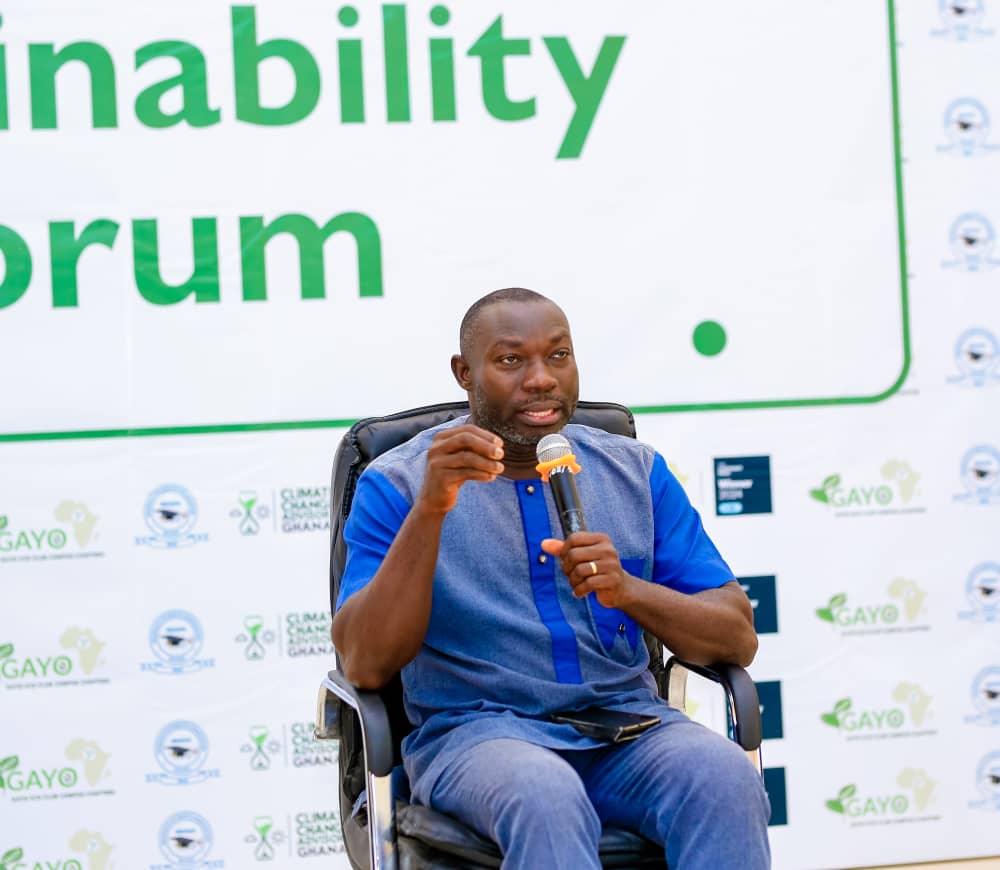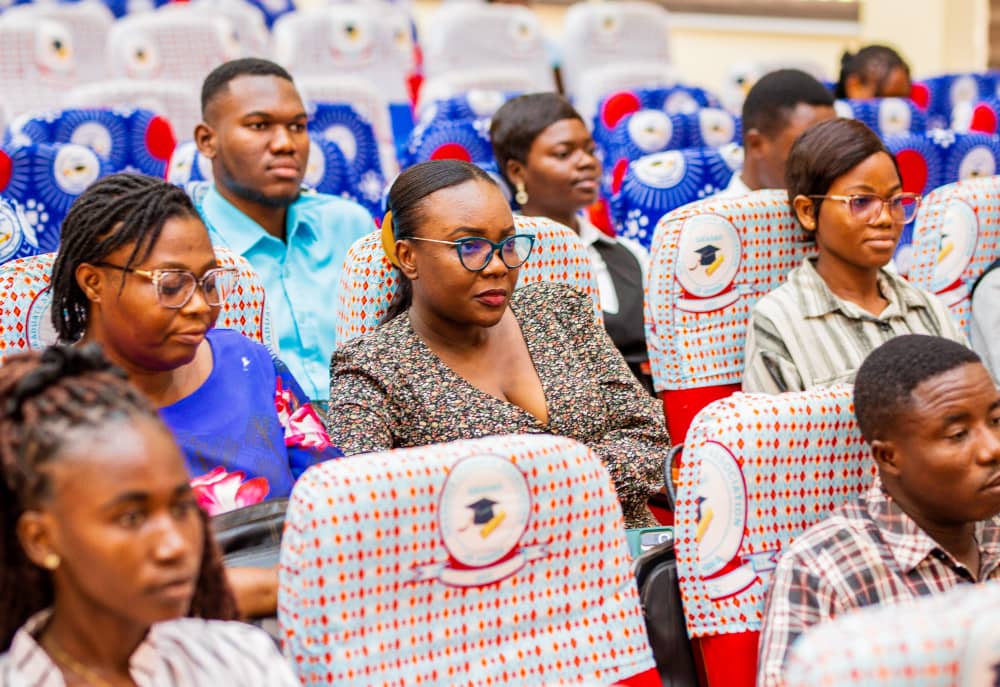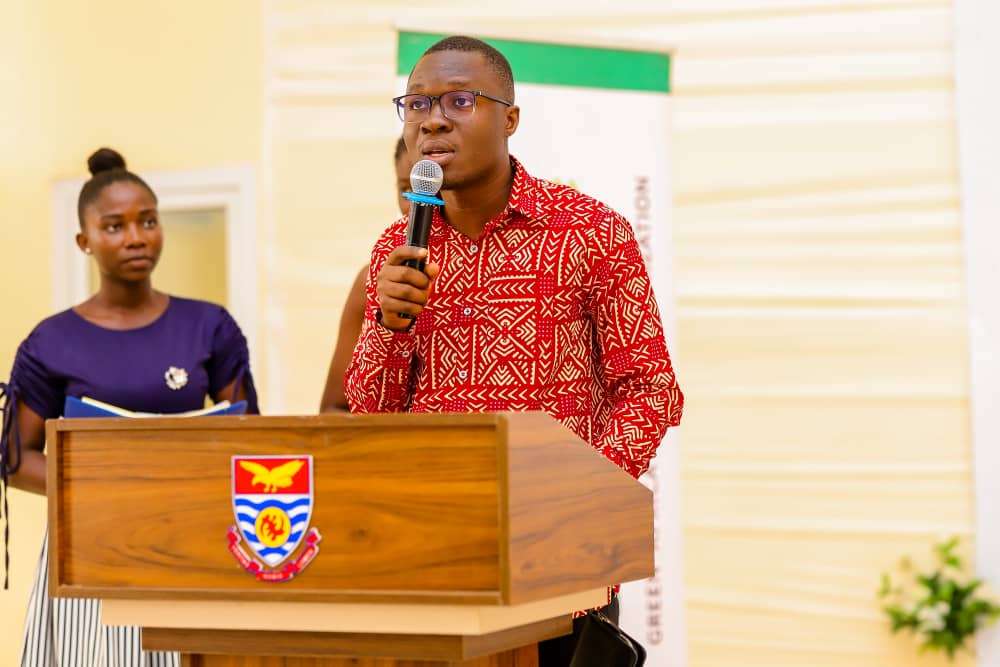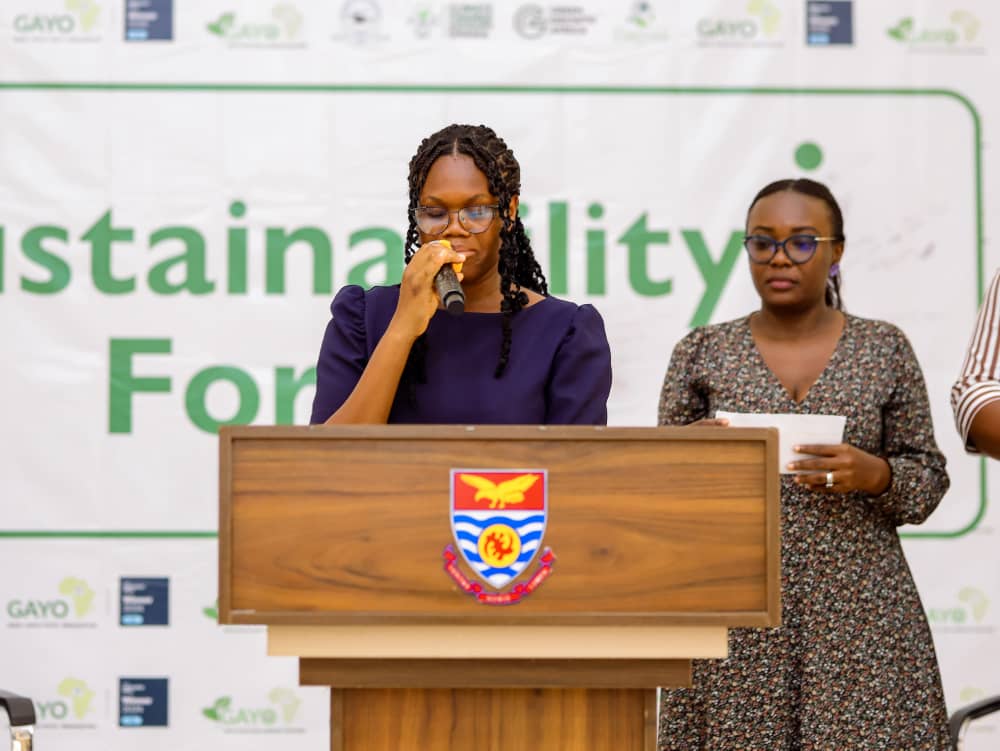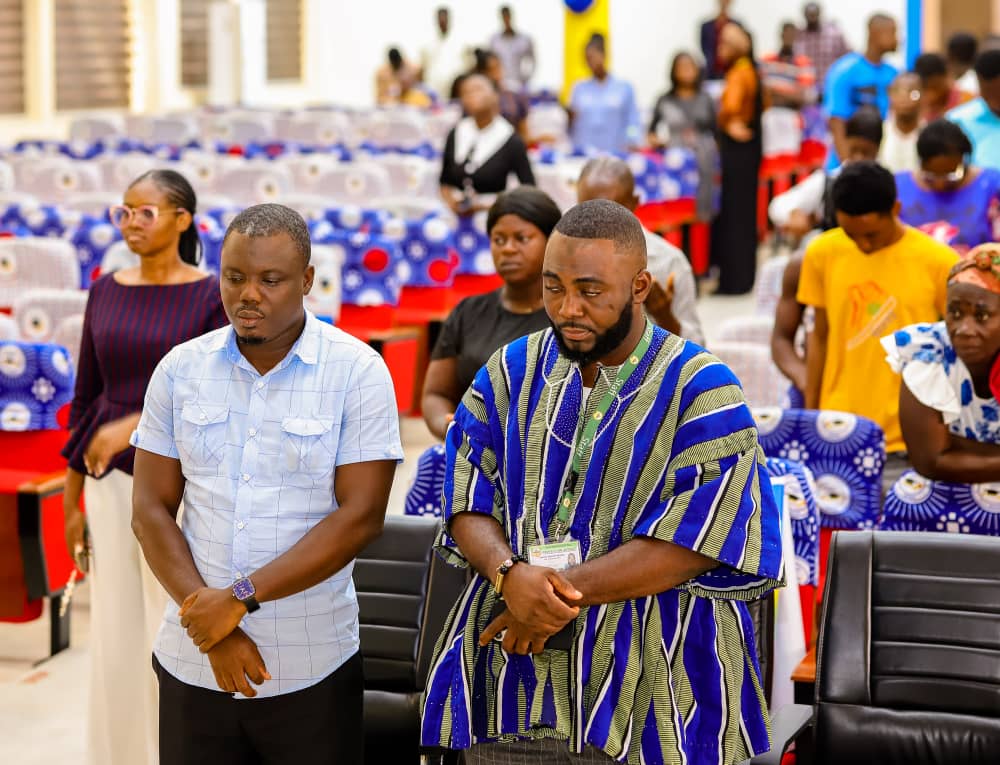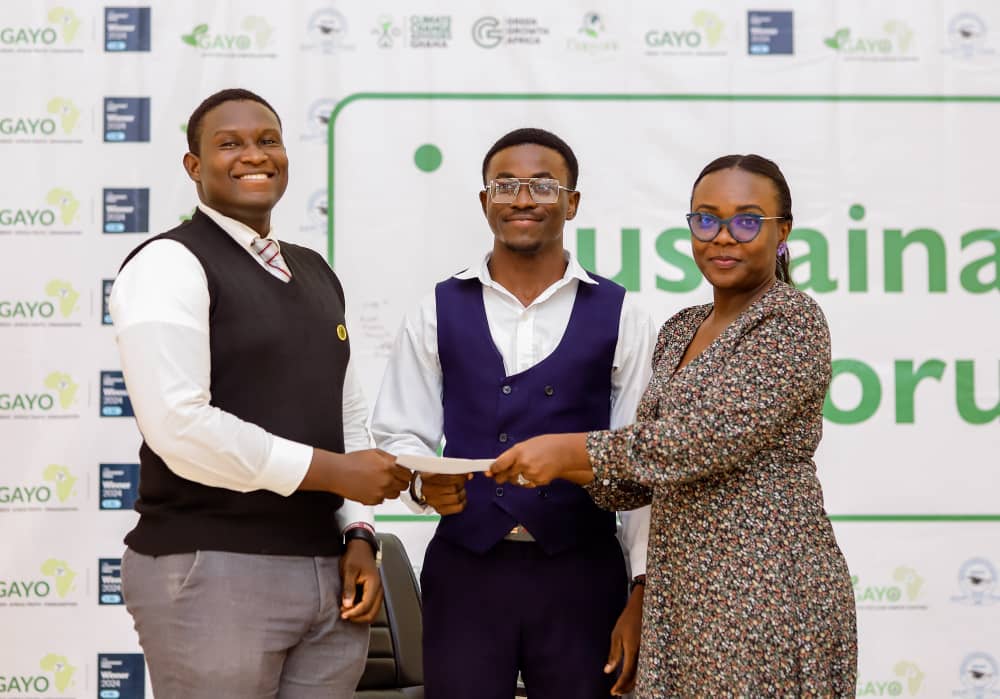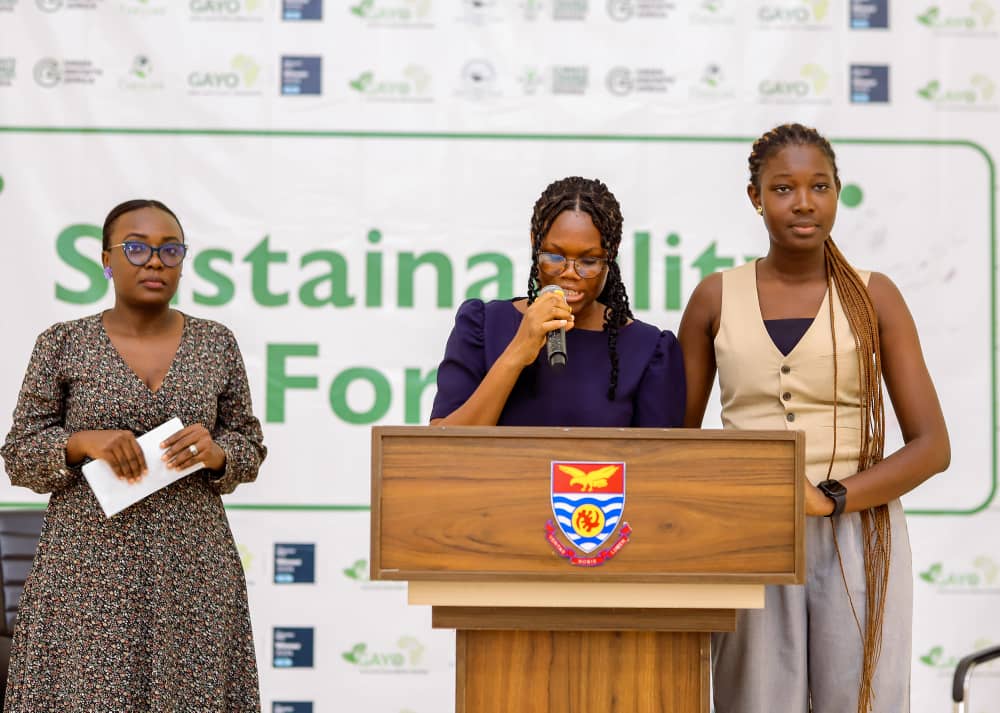

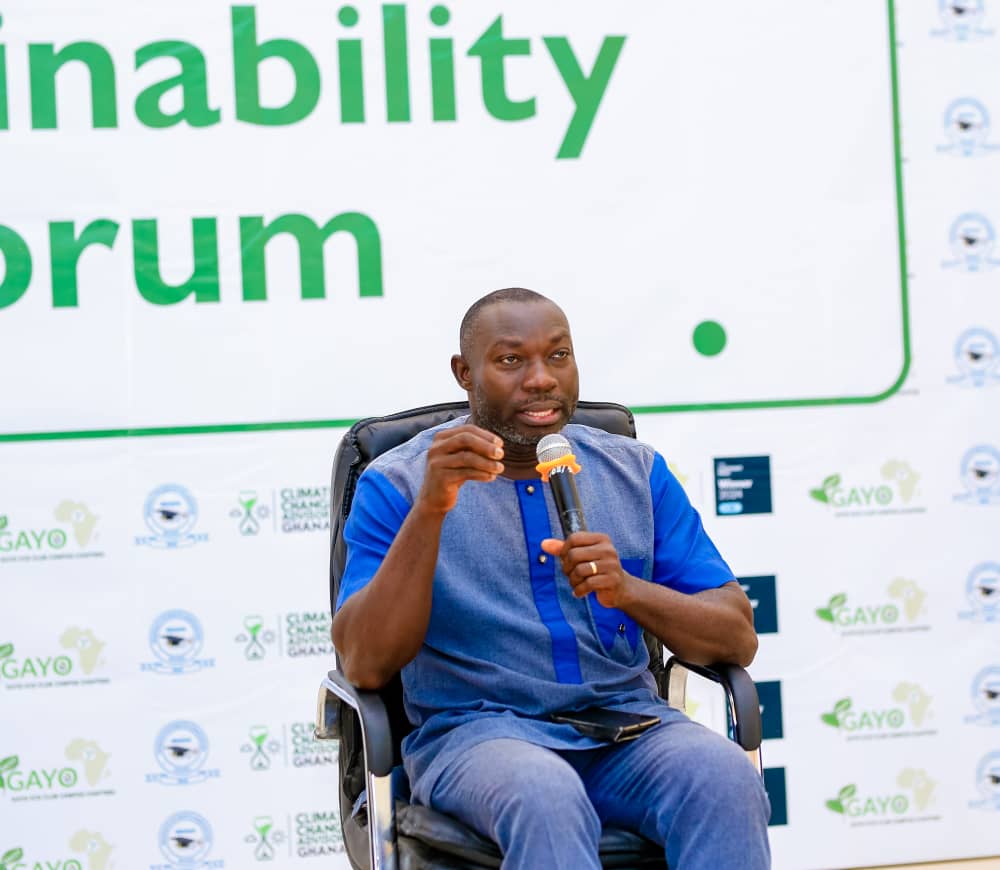
The Sustainability Forum Ghana 2026 brought together changemakers, innovators, and environmental advocates to address one of the country’s most urgent challenges—waste management.
Held at the University of Cape Coast, the event created a platform for collaboration, innovation, and practical solutions aimed at building a more sustainable future.
Organized in partnership with the Green Africa Youth Organization (GAYO), and supported by Climate Change Advisors Ghana (CCAG), the forum brought together students, policymakers, environmental experts, and community leaders. The goal was clear: move beyond awareness and focus on action.
Why Sustainability Forum Ghana Matters for Waste Management
Waste management continues to be a growing concern across Ghana. Rapid urbanization, population growth, and changing consumption patterns are placing increasing pressure on existing systems.
In cities like Cape Coast, waste generation is rising faster than collection and disposal systems can manage. Plastic pollution remains a major issue, while open burning of waste contributes to air pollution and serious health risks.
The forum highlighted these realities while emphasizing the need for practical and scalable solutions. Rather than focusing only on the problem, discussions centered on what can be done—both at the individual and institutional level.
Youth Innovation at the Center of the Conversation
One of the most inspiring aspects of the event was the strong presence of young innovators.
Students and youth-led groups presented creative solutions, including recycling initiatives, sustainable product alternatives, and community-based waste management strategies. These ideas demonstrated that young people are not just aware of environmental challenges—they are actively working to solve them.
This focus on youth innovation reinforces a key message: the future of sustainability in Ghana will be driven by the next generation.
From Dialogue to Collaboration
Beyond panel discussions and presentations, the forum created opportunities for meaningful engagement.
Participants connected across sectors, exchanging ideas and exploring partnerships that can lead to long-term impact. These interactions are critical, as environmental challenges cannot be solved in isolation.
By bringing together diverse stakeholders, the event helped build a foundation for stronger collaboration and coordinated action.
The Role of Climate Change Advisors Ghana
As a key partner, Climate Change Advisors Ghana (CCAG) played an important role in supporting the forum’s objectives.
Through its involvement, CCAG contributed to conversations around sustainable practices, environmental awareness, and community engagement. The organization continues to support initiatives that promote practical solutions and long-term environmental resilience.
Learn more about CCAG’s ongoing work and sustainability initiatives through their official platforms.
The Bigger Waste Challenge in Ghana
Ghana faces a significant waste management challenge that requires urgent attention. Increasing urban populations are generating more waste than ever before, while infrastructure and systems struggle to keep pace.
Plastic waste, in particular, remains one of the most visible and harmful forms of pollution. Improper disposal practices, including open dumping and burning, contribute to environmental degradation and pose serious risks to human health.
According to global environmental insights from organizations such as the United Nations Development Programme (UNDP), addressing waste challenges requires a combination of policy action, community engagement, and innovation.
This makes platforms like this forum not only relevant but essential.
Why Platforms Like This Matter
Events like this play a critical role in bridging the gap between awareness and action.
They provide a space where ideas can be shared, solutions can be tested, and partnerships can be formed. More importantly, they help translate complex environmental issues into practical steps that individuals and organizations can take.
By combining education, innovation, and collaboration, such initiatives create momentum for real change.
Looking Ahead: Building a Sustainable Future
The success of the Sustainability Forum Ghana 2026 highlights the importance of continued collaboration and commitment.
While the event may have ended, the conversations and connections it sparked will continue to shape future initiatives. Stakeholders must now build on this momentum by investing in education, supporting innovation, and strengthening partnerships.
A cleaner and more sustainable Ghana is possible—but it requires consistent action from everyone.
Conclusion
The Sustainability Forum Ghana 2026 was more than just an event—it was a catalyst for change.
By bringing together diverse voices and focusing on practical solutions, it demonstrated that progress is achievable when people come together with a shared purpose.
The journey toward sustainability is ongoing, but with initiatives like this, the path forward is becoming clearer. 🌍♻️